


 Symphony Finder
 Concerts
 Shop
Shop
 Media
Media

NO.24 __HAYDN IN LOVE

Il Giardino Armonico & Kammerorchester Basel
Nikola Hillebrand, Sopran
Giovanni Antonini, Dirigent
Elke Schmitter, Autorin
Nanna Heitmann, Fotografie
Joseph Haydn: Sinfonien Nr. 91, Nr. 96 «The Miracle» und Nr. 97 sowie Werke für Sopran und Orchester aus: «L'isola disabitata» Hob. XXVIII:9, «Armida» Hob. XXVIII:12 und «L'anima del filosofo ossia Orfeo ed Euridice» Hob. XXVIII:13
Konzerte:
Mo, 13. April 2026, Basel Stadtcasino (Tickets)
Mi, 15. April 2026, Wien Musikverein, grosser Saal (Tickets sind ab dem 26.2.2026 erhältlich)
Fr, 24. April 2026, Brugge Concertgebouw (Tickets)
So, 26. April 2026, Wroclaw, National Forum of Music (Tickets)
Joseph Haydn war ein Meister der Musik. Ein Meister der Erfindung, der Melodie, der Harmonie, der Form, der Rhetorik wie auch des Erzählens – wohlgemerkt mit Tönen und das nicht zuletzt auch abseits von Oper und Lied. Was Haydn nicht war: ein grosser Briefeschreiber, jedenfalls keiner wie Vater und Sohn Mozart oder später etwa Felix Mendelssohn Bartholdy. Dies lag wohl in erster Linie daran, dass Haydns Leben – vor allem nach seiner Anstellung zum esterházyschen (Vize-)kapellmeister – eine recht ortsgebundene Angelegenheit war, und dass von Reisen, die ihn weiter als von Eisenstadt bzw. Eszterház nach Wien oder Pressburg führten, über Jahrzehnte hinweg allenfalls träumen durfte.
Als Haydns Fürst Nikolaus 1790 gestorben und er auf einmal frei war, dorthin zu reisen wo man seine Anwesenheit seit Langem erwartet, ja geradezu aktiv herbeigesehnt hatte, war alles anders. Auf einmal stand Haydn im Zentrum des kulturellen Lebens einer Weltstadt – nämlich London – und hatte so viel zu erzählen, dass er nicht umhin kam, als nach Papier und Tinte zu greifen und zu schreiben und zu schreiben. Die Adressaten seiner Briefe waren zu meist weiblicher Natur und reichten von der in Wien lebenden «Wohl Edl geborene[n] Hochzu Ehrenden Frau [Maria Anna] von Gennzinger [sic]», mit der er – aufgrund zahlreicher Besuche im Hause der Gattin des Leibarztes seines nunmehr verstorbenen Fürsten – eine sehr persönliche Freundschaft führte, bis hin zu einer ehemals Geliebten, der Sängerin Luigia Polzelli. Diese, die ebenfalls zunächst noch in Wien, bald darauf aber – nach dem Tod ihres Mannes – wieder in ihrer italienischen Heimat, besser gesagt in Bologna lebte, soll möglicherweise die Mutter eines (wenn nicht gar mehrerer) von Haydn stammender Kinder gewesen sein. In London wiederum machte Haydn bald nach seiner Ankunft Bekanntschaft mit der damals erst 40-jährigen, einer in London ansässigen schottischen Kaufmannsfamilie entstammenden Witwe Rebecca, die nach ihrer Heirat des in der brandenburgischen Niederlausitz geborenen Pianisten und Komponisten Schroeter, enterbt worden war. Ganze zweiundzwanzig von Rebecca Schroeter an Haydn adressierte und auf den Zeitraum 29. Juni 1791 bis 26. Juni 1792 datierende Briefe, die Haydn fein säuberlich in sein zweites Londoner Notizbuch übertrug, zeugen von einer inniglichen von Zuneigung und Liebe geprägten Beziehung, die – so der Komponist zu seinem späteren Biographen Albert Christoph Dies – ohne weiteres zu einer Heirat geführt hätte können, wenn er damals ledig gewesen wäre.
Sämtliche Sinfonien und Arien des «Haydn in Love» genannten Projekts Nr. 24 von Haydn2032 steht in einer mehr (oder weniger) engen Verbindung mit den besagten, seinerzeit – also 1791 in London – mit Haydn korrespondierenden bzw. sich regelmässig treffenden Damen, Maria Anna von Genzinger, Luigia Polzelli und Rebecca Schroeter (geb. Scott). Sei es, dass Haydn sich von Maria Anna die Zusendung einer Partitur der 1788 noch für Paris geschriebenen, im Liebeston Es-Dur gesetzten Sinfonie Nr. 91 erbat, oder er ihr (am 2. März 1792) gestand, dass die ersten beiden seiner bereits in London selbst entstandenen Sinfonien Nr. 95 und 96, darunter die wiederum an chronologisch erster Stelle befindliche in D, eigentlich ihr gewidmet gewesen wären. Sei es, dass Haydn sich gegenüber Luigia Polzelli über die unzureichenden gesanglichen Qualitäten der designierten Darstellerin der Eurydike in seiner letztlich unaufgeführt gebliebenen Oper «L’anima del filsofo ossia Orfeo ed Euridice» ausliess, bzw. dass er bei der Komposition der von der letzteren, sterbend zu singenden Kavatine «Del mio core il voto estremo» eigentlich vielmehr an sie gedacht habe. Schliesslich noch Sinfonie Nr. 97, ein Werk von geradezu überschäumender Lebensfreude eines merklich verliebten Sechzigjährigen, dessen Uraufführung von der Dame seines Herzens mit folgenden Worten begrüsst wurde:
«M[ein] L[iebster]: Ich bin so begierig zu erfahren, wie es Dir geht, und hoffe zu hören, dass Du, seit ich Dich zuletzt sah, bei guter Gesundheit geblieben bist. Da sich nun die Zeit Deines bezaubernden Konzertes nähert, empfinde ich zunehmendes Interesse an Deinen Erfolgen und wünsche herzlichst, alles möge zu Deiner Zufriedenheit verlaufen. Tu mir den Gefallen, mir nochmals sechs Billets zuzuschicken. Am Samstag, L[iebster], hoffe ich Dich zum Abendessen zu begrüssen. Zwischenzeitlich sind meine Gedanken, meine besten Wünsche und meine zärtlichste Zuneigung stets bei Dir, und ich bin stets meines l[iebsten] H[aydn] aufrichtigste und liebevollste [Rebecca].»
Programm
Joseph Haydn (1732–1809): Sinfonie Nr. 91 Es-Dur Hob. I:91 (1788)
Largo – Allegro assai / Andante / Menuet un poco Allegretto – Trio / Finale. Vivace
SYMPHONY NO.91 E FLAT MAJOR HOB. I:91 (1788)
Period of composition: 1788
Joseph Haydn (1732–1809): Sinfonie Nr. 96 D-Dur «The Miracle» Hob. I:96 (1791)
Adagio – Allegro / Andante / Menuet. Allegretto – Trio / Finale. Vivace (assai)
SYMPHONY NO.96 D MAJOR «THE MIRACLE» HOB. I:96 (1791)
Period of composition: London 1791, P 1791
Joseph Haydn (1732–1809): Werke für Sopran und Orchester aus: «L'isola disabitata» Hob. XXVIII:9, «Armida» Hob. XXVIII:12 und «L'anima del filosofo ossia Orfeo ed Euridice» Hob. XXVIII:13
Joseph Haydn (1732–1809): Sinfonie Nr. 97 C-Dur Hob. I:97 (1792)
Adagio – Vivace / Adagio ma non troppo / Menuet. Allegretto – Trio / Finale. Presto assai
SYMPHONY NO.97 C MAJOR HOB. I:97 (1792)
Period of composition: London 1792, P 3. or 4.5.1792
Besetzung
Il Giardino Armonico & Kammerorchester Basel
Nikola Hillebrand, Sopran
Giovanni Antonini, Dirigent
Nächste Konzerte
Basel,
Montag, 13. April 2026, 19.30 Uhr
Haydn-Lesung und Lounge im Hans Huber-Saal, Stadtcasino
18.15 Uhr Lesung mit Elke Schmitter und Pre Concert-Talk mit Giovanni Antonini und Christian Moritz-Bauer (Andrea Scartazzini, Moderation)
Einlass ab 18.00 Uhr (kein Einlass zwischen Lesung und Pre Concert-Talk).
Konzert im Musiksaal, Stadtcasino:
19.30 Uhr: Konzert
Das Konzert wird ebenfalls am 19. April (17.00 Uhr) als Premiere auf unserem YouTube-Kanal ausgestrahlt und bleibt 3 Monate verfügbar (Informationen folgen).
-
Kartenvorverkauf
Karten sind online oder bei Bider & Tanner, Ihr Kulturhaus in Basel, +41 (0)61 2069996 erhältlich.
Wien,
Mittwoch, 15. April 2026, 19.30 Uhr
Musikverein Wien, grosser Saal
Konzerteinführung: 18.30 Uhr, Brahms-Saal
-
Kartenvorverkauf
Karten sind ab dem 26. Februar 2026 unter musikverein.at / +43 1 505 8190 erhältlich.
Brugge,
Freitag, 24. April 2026, 20.00 Uhr
Concertgebouw Brugge, Concertzaal
-
Kartenvorverkauf
Karten sind unter concertgebouw.be erhältlich.
Wroclaw,
Sonntag, 26. April 2026, 18.00 Uhr
Wroclaw, National Forum of Music, Orlen Main Hall
-
Kartenvorverkauf
Karten sind online erhältlich.
Biografien
Conductor
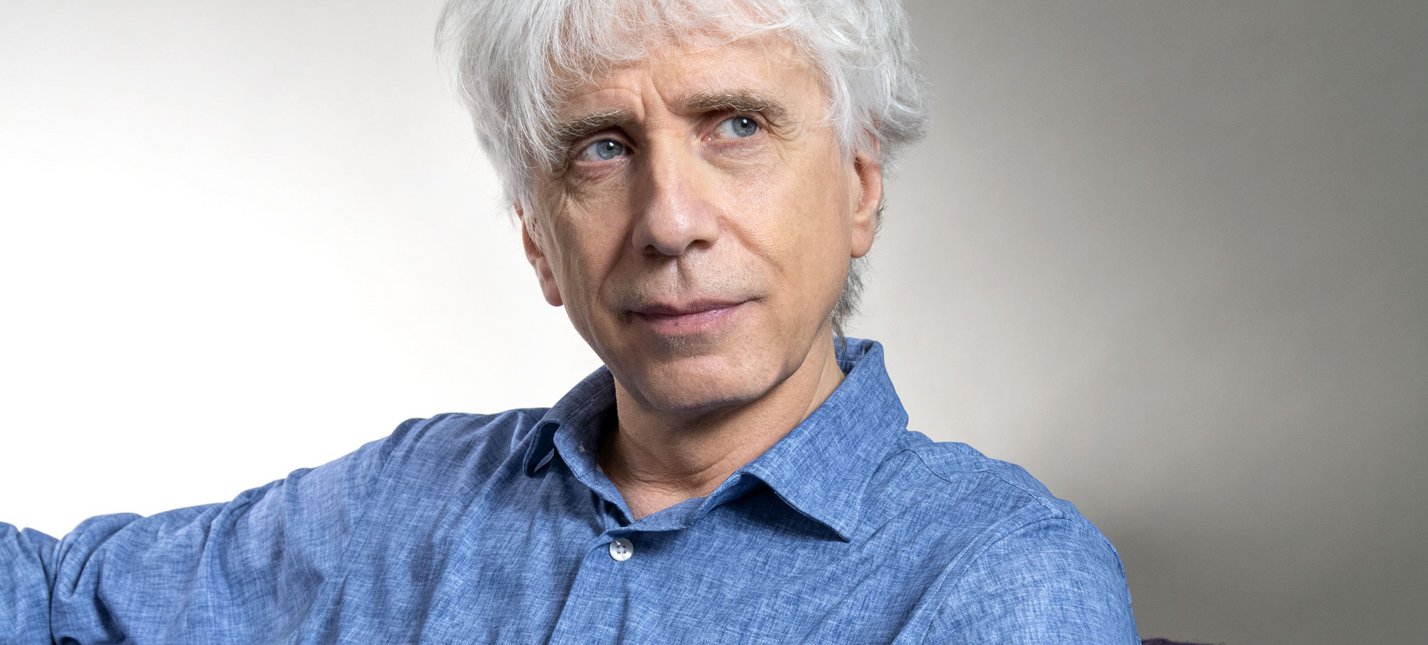
Giovanni Antonini
Conductor
Born in Milan, Giovanni studied at the Civica Scuola di Musica and at the Centre de Musique Ancienne in Geneva. He is a founder member of the Baroque ensemble “Il Giardino Armonico”, which he has led since 1989. With this ensemble, he has appeared as conductor and soloist on the recorder and Baroque transverse flute in Europe, United States, Canada, South America, Australia, Japan and Malaysia. He is Artistic Director of Wratislavia Cantans Festival in Poland and Principal Guest Conductor of Mozarteum Orchester and Kammerorchester Basel.
He has performed with many prestigious artists including Cecilia Bartoli, Kristian Bezuidenhout, Giuliano Carmignola, Isabelle Faust, Sol Gabetta, Sumi Jo, Viktoria Mullova, Katia and Marielle Labèque, Emmanuel Pahud and Giovanni Sollima. Renowned for his refined and innovative interpretation of the classical and baroque repertoire, Antonini is also a regular guest with Berliner Philharmoniker, Concertgebouworkest, Tonhalle Orchester, Mozarteum Orchester, Leipzig Gewandhausorchester, London Symphony Orchestra and Chicago Symphony Orchestra.
His opera productions have included Handel’s Giulio Cesare and Bellini’s Norma with Cecilia Bartoli at Salzburg Festival. In 2018 he conducted Orlando at Theater an der Wien and returned to Opernhaus Zurich for Idomeneo. In the 21/22 season he will guest conduct the Konzerthaus Orchester Berlin, Stavanger Symphony, Anima Eterna Bruges and the Symphonieorchester de Bayerischer Rundfunks. He will also direct Cavalieri’s opera Rappresentatione di Anima, et di Corpo for Theatre an der Wien and a ballet production of Haydn’s Die Jahreszeiten for Wiener Staatsballett with the Wiener Philharmoniker.
With Il Giardino Armonico, Giovanni has recorded numerous CDs of instrumental works by Vivaldi, J.S. Bach (Brandenburg Concertos), Biber and Locke for Teldec. With Naïve he recorded Vivaldi’s opera Ottone in Villa, and, with Il Giardino Armonico for Decca, has recorded Alleluia with Julia Lezhneva and La morte della Ragione, collections of sixteenth and seventeenth century instrumental music. With Kammerorchester Basel he has recorded the complete Beethoven Symphonies for Sony Classical and a disc of flute concertos with Emmanuel Pahud entitled Revolution for Warner Classics. In 2013 he conducted a recording of Bellini’s Norma for Decca in collaboration with Orchestra La Scintilla.
Antonini is artistic director of the Haydn 2032 project, created to realise a vision to record and perform with Il Giardino Armonico and Kammerorchester Basel, the complete symphonies of Joseph Haydn by the 300th anniversary of the composer’s birth. The first 12 volumes have been released on the Alpha Classics label with two further volumes planned for release every year.

Soprano
Nikola Hillebrand
Soprano
Die deutsche Sopranistin Nikola Hillebrand hat sehr früh in ihrer Karriere an weltweit führenden Opern- und Konzerthäusern, sowie Festivals wie dem Glyndebourne Festival oder den Salzburger Festspielen gesungen. Sie wurde nach ihrem Studium in München ans Nationaltheater Mannheim engagiert, und gehörte von 2020 bis 2024 dem Ensemble der Semperoper Dresden an, wo sie in Partien wie Pamina (Die Zauberflöte), Susanna (Nozze di Figaro), Musetta (La Bohème), Zdenka (Arabella), Ännchen (Der Freischütz), Gretel (Hänsel und Gretel), Adele (Die Fledermaus) und Sophie (Der Rosenkavalier) zu erleben war. Letztere verkörpert sie in der aktuellen Spielzeit an der Wiener Staatsoper sowie an der Berliner Staatsoper unter Christian Thielemann.
Weitere Höhepunkte der letzten Spielzeiten sind ihr umjubeltes Debüt als Kunigunde in Bernsteins Candide am Theater an der Wien, gefolgt von Webers Freischütz bei den Bregenzer Festspielen und Strauss‘ Fledermaus an der Bayerischen Staatsoper, wo sie in dieser Saison als Gretel zurückkehrte. In der Saison 2024/2025 sang sie Pamina an der Pariser Opéra, sowie Susanna am Opernhaus Zürich und Aspasia in Mozarts Mitridate, re di ponto an der Hamburgischen Staatsoper.
Ebenso gefragt ist Nikola Hillebrand auf der Konzertbühne. Zu den Höhepunkten dieser Saison zählen Konzerte mit dem Boston Symphony Orchestra und Andris Nelsons, den Wiener Philharmonikern und Tugan Sokhiev, den Berliner Philharmonikern und Raphaël Pichon, der Staatskapelle Berlin und Christian Thielemann, dem Gewandhausorchester und Andris Nelsons sowie dem Symphonieorchester des Bayerischen Rundfunks und Sir Simon Rattle.
Nikola Hillebrand ist neben ihrer Opern- und Konzerttätigkeit eine passionierte Liedsängerin. Sie ist Gewinnerin des internationalen Liedwettbewerbs «Das Lied 2019» und gibt seitdem Liederabende in allen wichtigen Liedzentren Europas. In dieser Saison kehrt sie in die Londoner Wigmore Hall und zur Schubertiade Schwarzenberg zurück und gibt ihr Debüt beim Oxford International Song Festival.

Orchestra
Il Giardino Armonico
Orchestra
Founded in 1985 and conducted by Giovanni Antonini, has been established as one of the world’s leading period instrument ensembles, bringing together musicians from Europe’s relevant music institutions. The ensemble’s repertoire mainly focuses on the 17th and 18th century. Depending on the demands of each program, the group consists of three up to thirty musicians.
Il Giardino Armonico is regularly invited to festivals all over the world performing in the most important concert halls, and has received high acclaim for both concerts and opera productions, like Monteverdi’s L’Orfeo, Vivaldi’s Ottone in Villa Händel’s Agrippina, Il Trionfo del Tempo e del Disinganno, La Resurrezione and finally Giulio Cesare in Egitto with Cecilia Bartoli during the 2012 edition of the Salzburg Whitsun and Summer Festival.
Beside that, Il Giardino Armonico sustains an intense recording activity. After many years as an exclusive group of Teldec Classics achieving several major awards for its recordings of works by Vivaldi and the other 18th century composers, the group had an exclusive agreement with Decca/ L’Oiseau-Lyre recording Händel’s Concerti Grossi Op. VI and the cantata Il Pianto di Maria with Bernarda Fink.
The group also released on Naïve La Casa del Diavolo, Vivaldi cello Concertos with Christophe Coin, and the opera Ottone in Villa winning the Diapason d’Or in 2011. On the label Onyx Vivaldi violin Concertos with Viktoria Mullova.
In 2009 a new cooperation with Cecilia Bartoli led to the project Sacrificium (Decca), Platinum Album in France and Belgium and prized by the Grammy Award.
Again on Decca Alleluia (March 2013) and Händel in Italy (October 2015) with Julia Lezhneva, acclaimed by public and critics.
The group published Serpent & Fire with Anna Prohaska (Alpha Classics – Outhere music group, 2016) winning the ICMA “baroque vocal” in 2017.
The recording of five Mozart Violin Concertos with Isabel Faust (Harmonia Mundi, 2016) stands as the result of the prestigious cooperation with the great violinist.
Il Giardino Armonico is part of the twenty-year project Haydn2032 for which the Haydn Foundation has been created in Basel to support both the recording project of the complete Haydn Symphonies (Alpha Classic) and a series of concerts in various European cities, with thematic programs focused on this fascinating repertoire. In November 2014 the first album titled La Passione has been published and won the Echo Klassik award in 2015. Il Filosofo, issued in 2015, has been “CHOC of the year” by Classica. The third one Solo e Pensoso has been released in August 2016, and the forth Il Distratto in March 2017.
The last volumes of the Haydn2032 project, as well as Telemann (Alpha Classics, November 2016) are available as CD and LP too. Telemann won the Diapason d’Or in January 2017.
Furthermore the ensemble worked with such acclaimed soloists as Giuliano Carmignola, Sol Gabetta, Katia and Marielle Labèque, Viktoria Mullova, and Giovanni Sollima.
Orchestra
Basel Chamber Orchestra
Orchestra
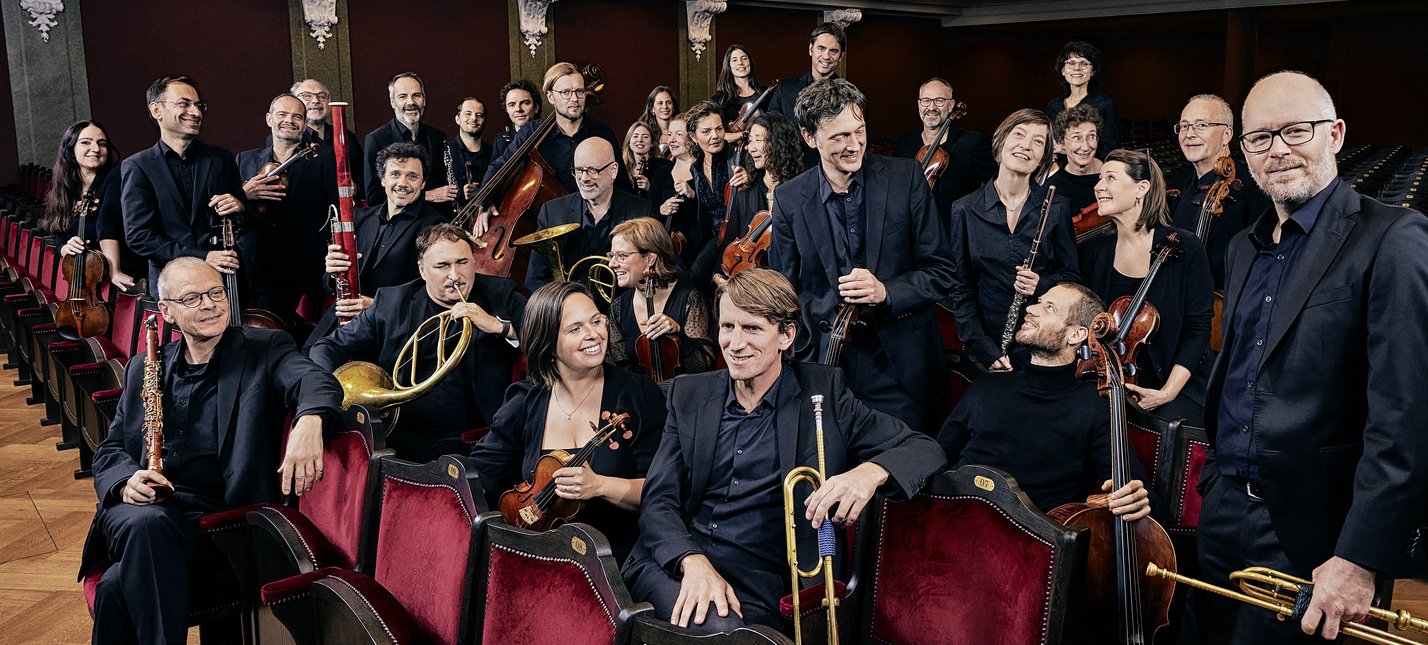
The Basel Chamber Orchestra is deeply rooted in the city of Basel - with its two subscription series in the Stadtcasino Basel as well as its own rehearsal and performance venue, Don Bosco Basel. With world tours and more than 60 concerts per season, the Basel Chamber Orchestra is a popular guest at international festivals and in Europe’s most important concert halls.
As the first orchestra to be awarded the Swiss Music Prize in 2019, the Basel Chamber Orchestra stands out for its excellence and diversity as well as for its depth and consistency. Its interpretations are deeply immersed into the relevant thematic and compositional worlds: in the past with the "Basel Beethoven" or with Heinz Holliger and our "Schubert Cycle". Or as with the long-term project Haydn2032, the study and performance of all Joseph Haydn's symphonies up to the year 2032 under the direction of principal guest conductor Giovanni Antonini and together with the Ensemble Il Giardino Armonico. From the current season onwards, the Basel Chamber Orchestra has decided to devote itself to all the symphonies of Felix Mendelssohn under the direction of the early music specialist Philippe Herreweghe.
The Basel Chamber Orchestra frequently collaborates with selected soloists such as Maria João Pires, Jan Lisiecki, Isabelle Faust and Christian Gerhaher. The Basel Chamber Orchestra presents its broad repertoire under the artistic direction of the first violins and the baton of selected conductors such as Heinz Holliger, René Jacobs and Pierre Bleuse.
The concert programmes are as diverse as the 47 musicians and range from early music on historical instruments to contemporary music and historically informed interpretations.
An important element of the work is the future-oriented education programs in large-scale participatory projects involving creative exchange with children and young people.
The creative work of the Basel Chamber Orchestra is documented by an extensive and award-winning discography.
The Clariant Foundation has been the presenting sponsor of the Basel Chamber Orchestra since 2019.
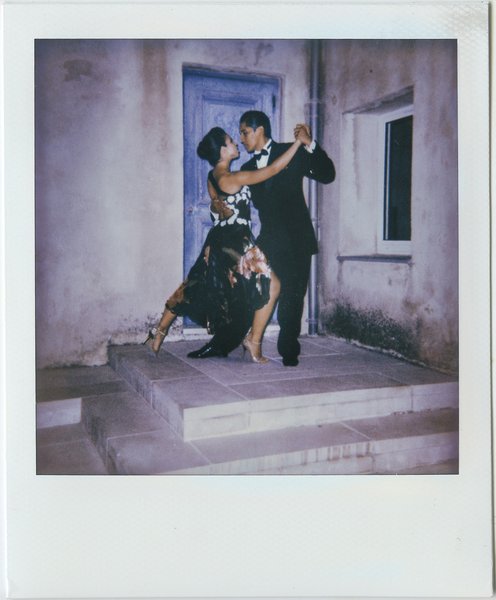
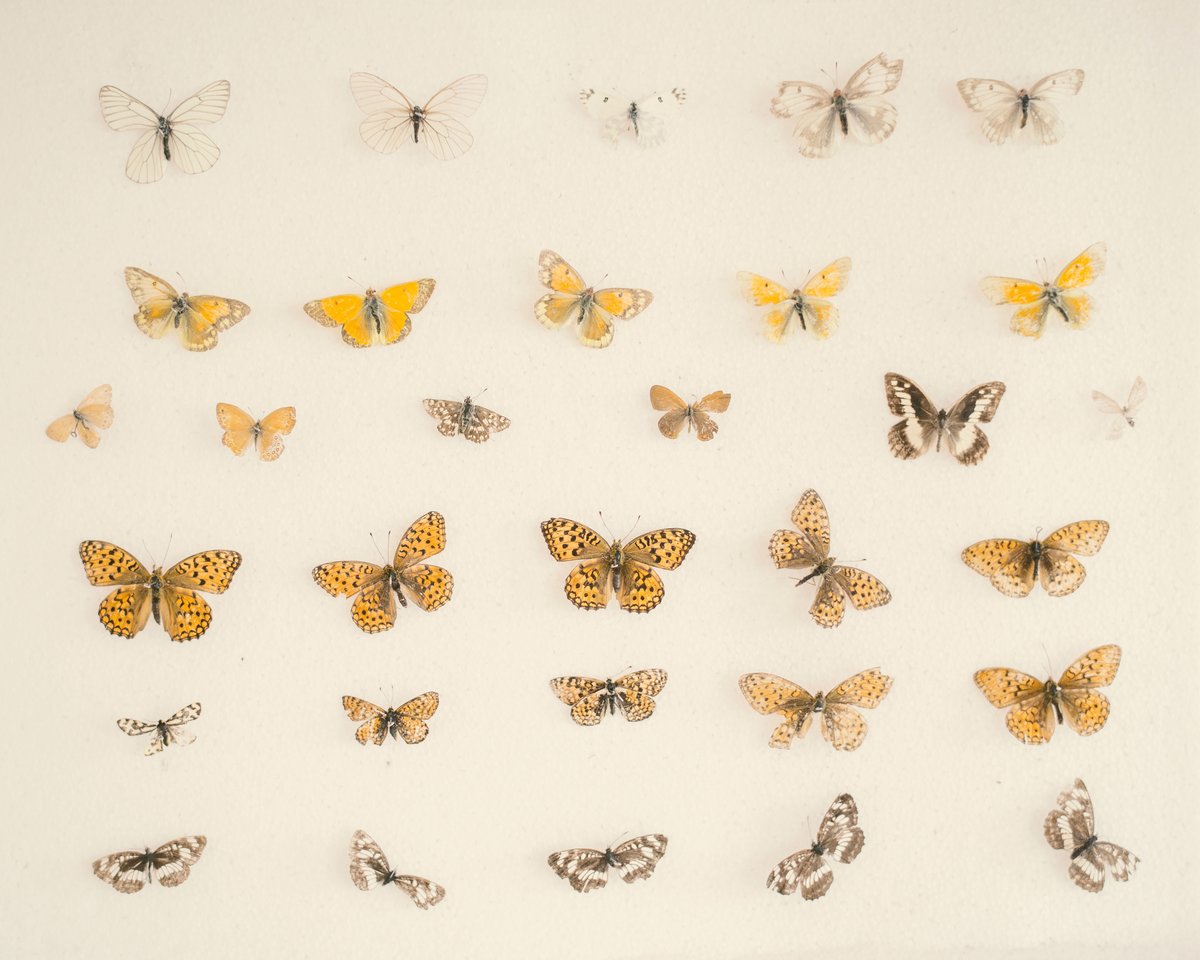
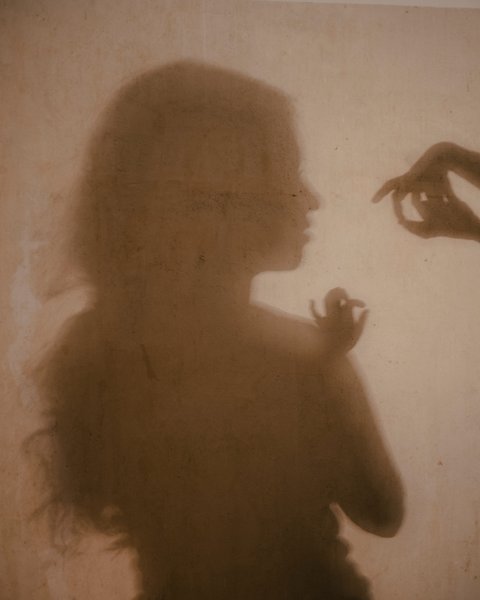
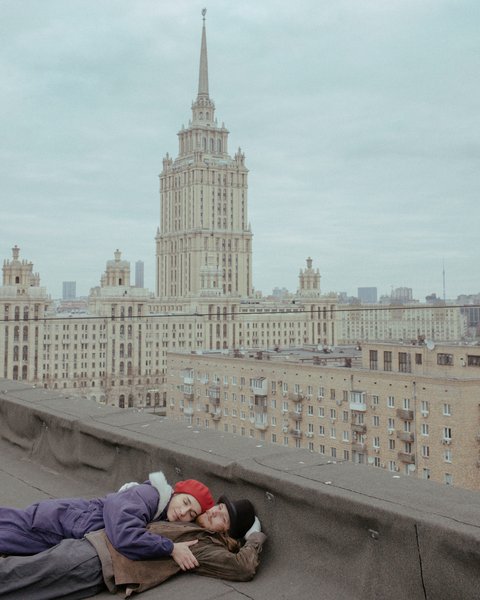

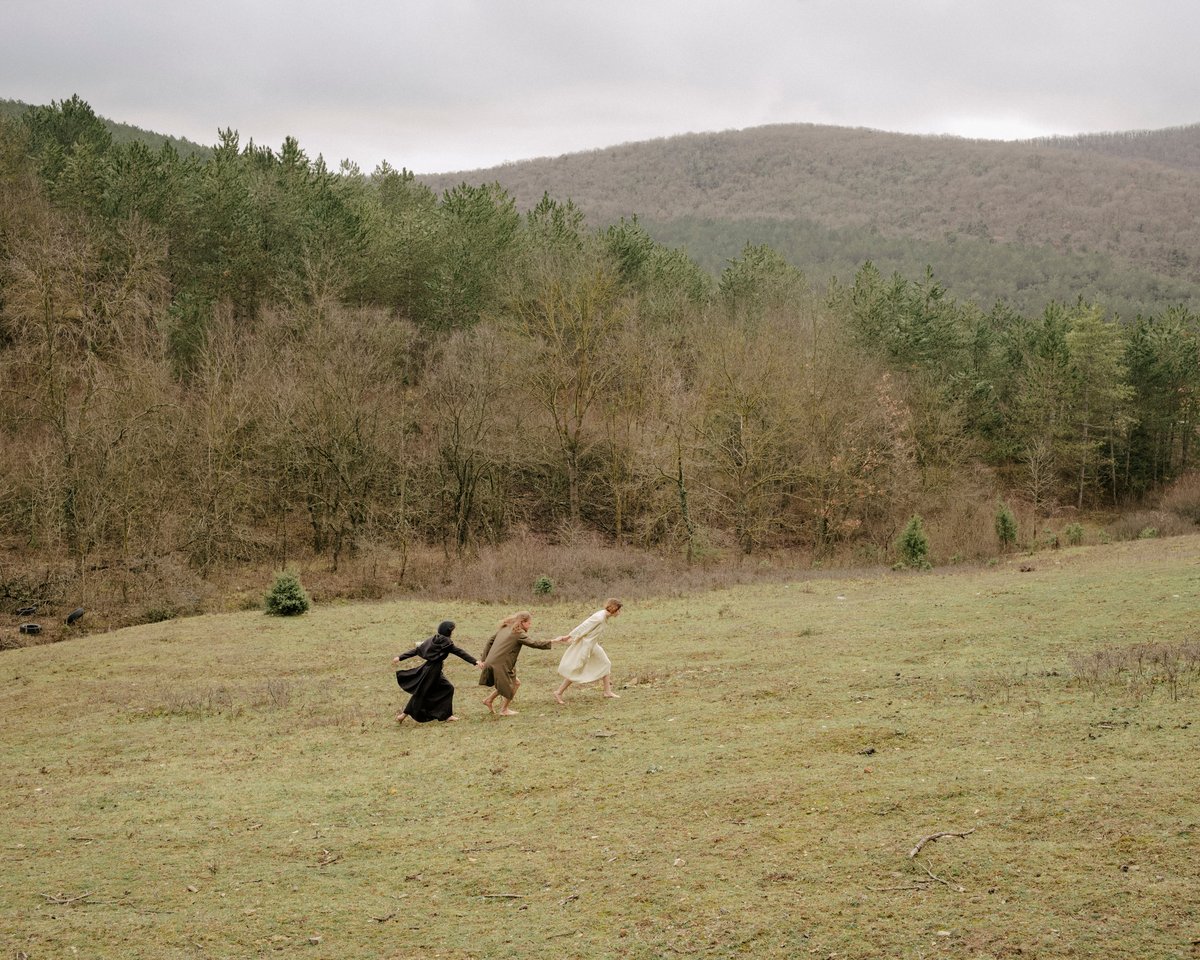
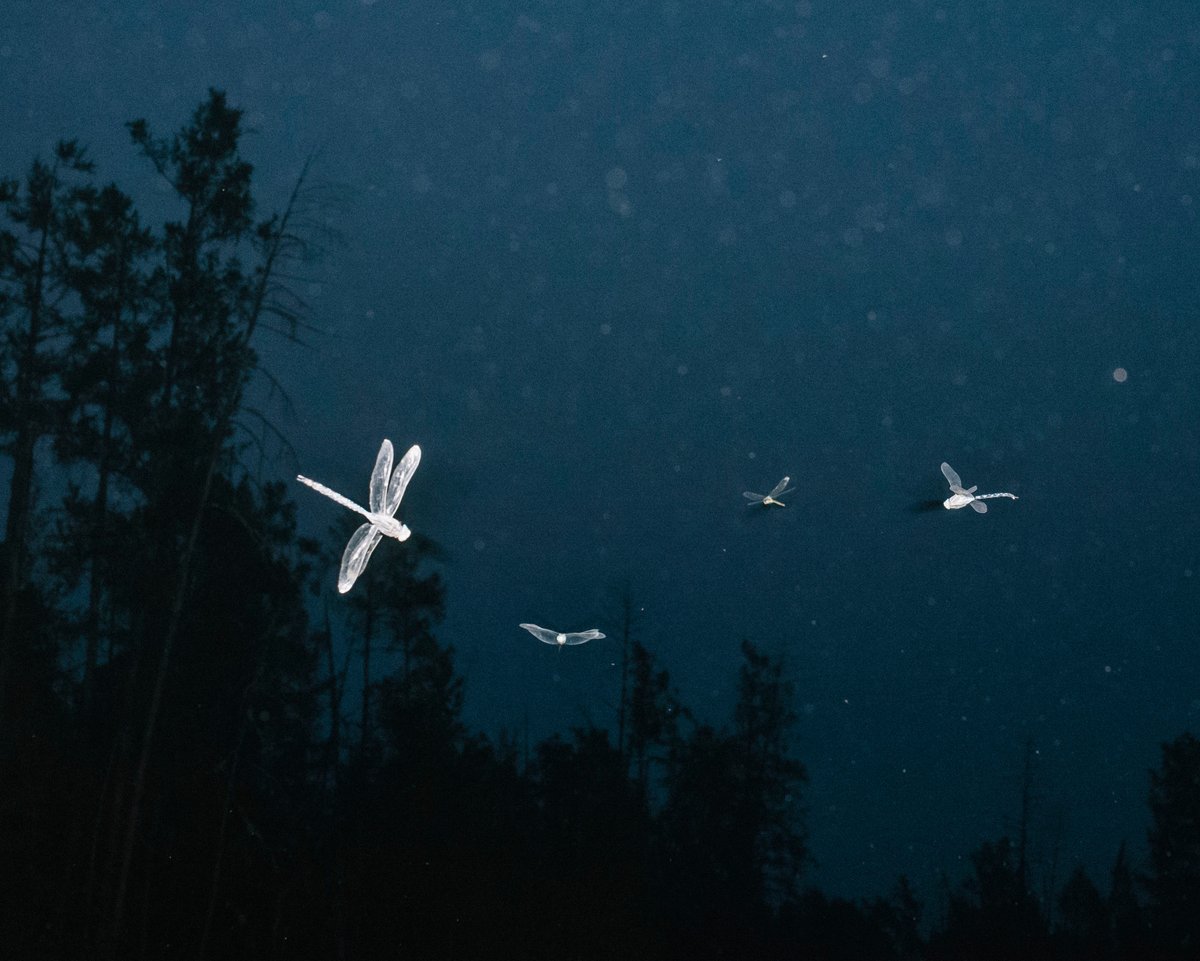
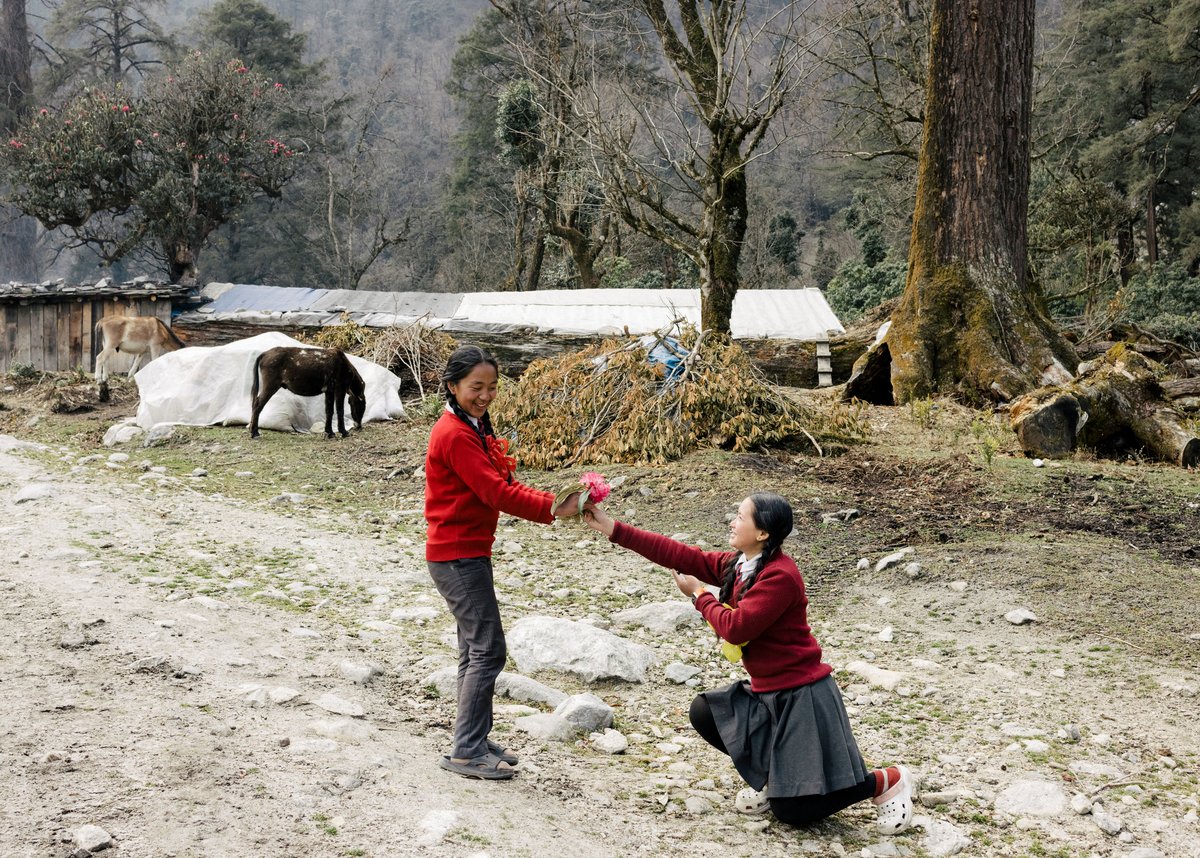
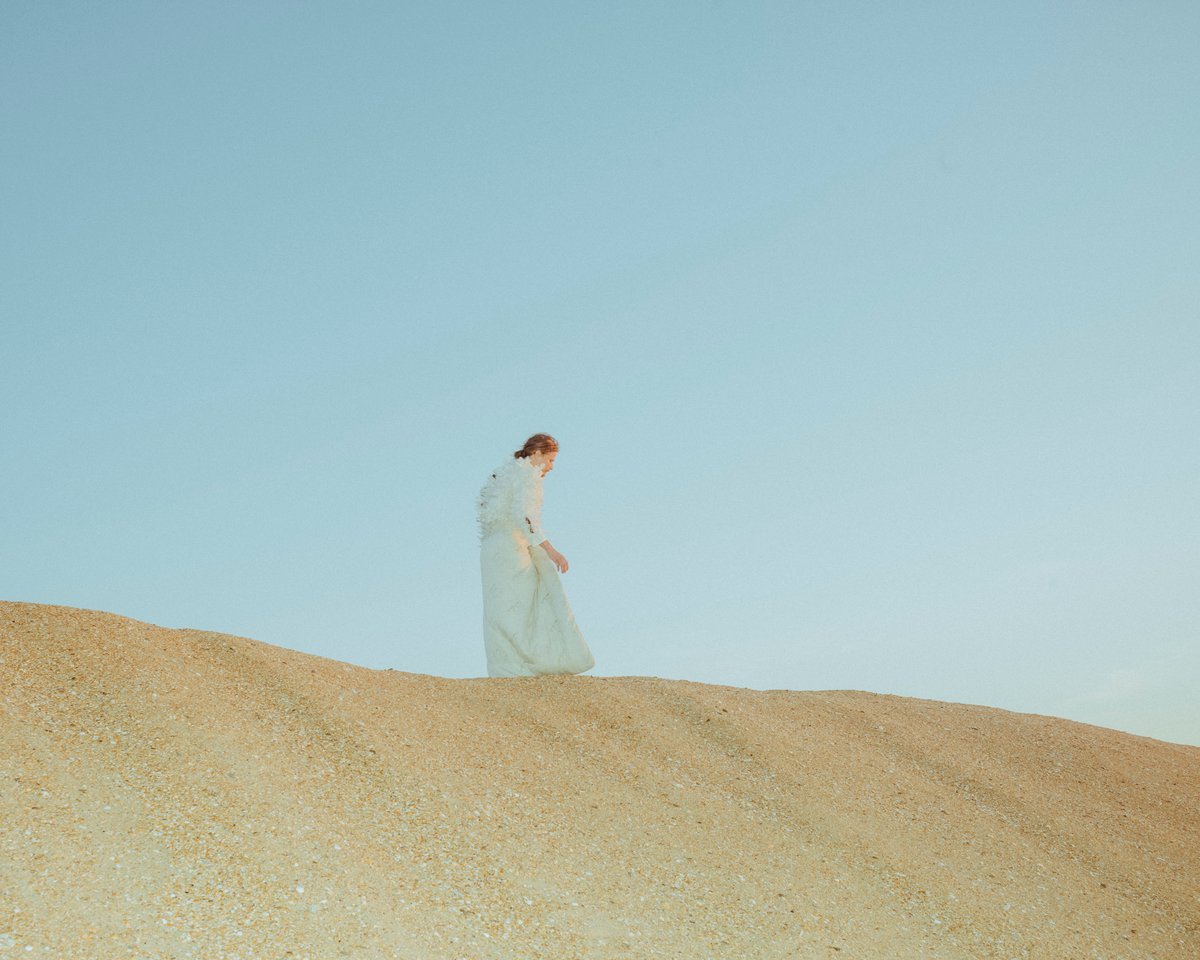
Nanna Heitmann / Magnum Photos
Biography
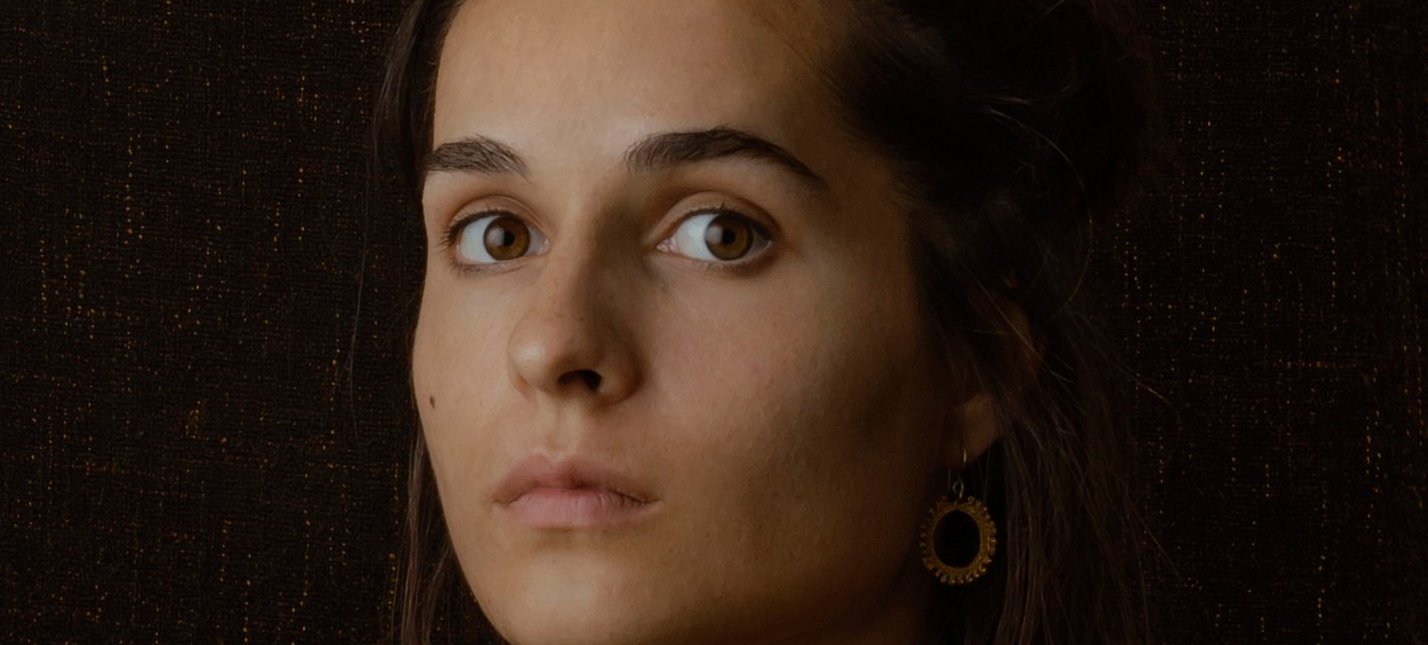
Photographer
Nanna Heitmann
Photographer
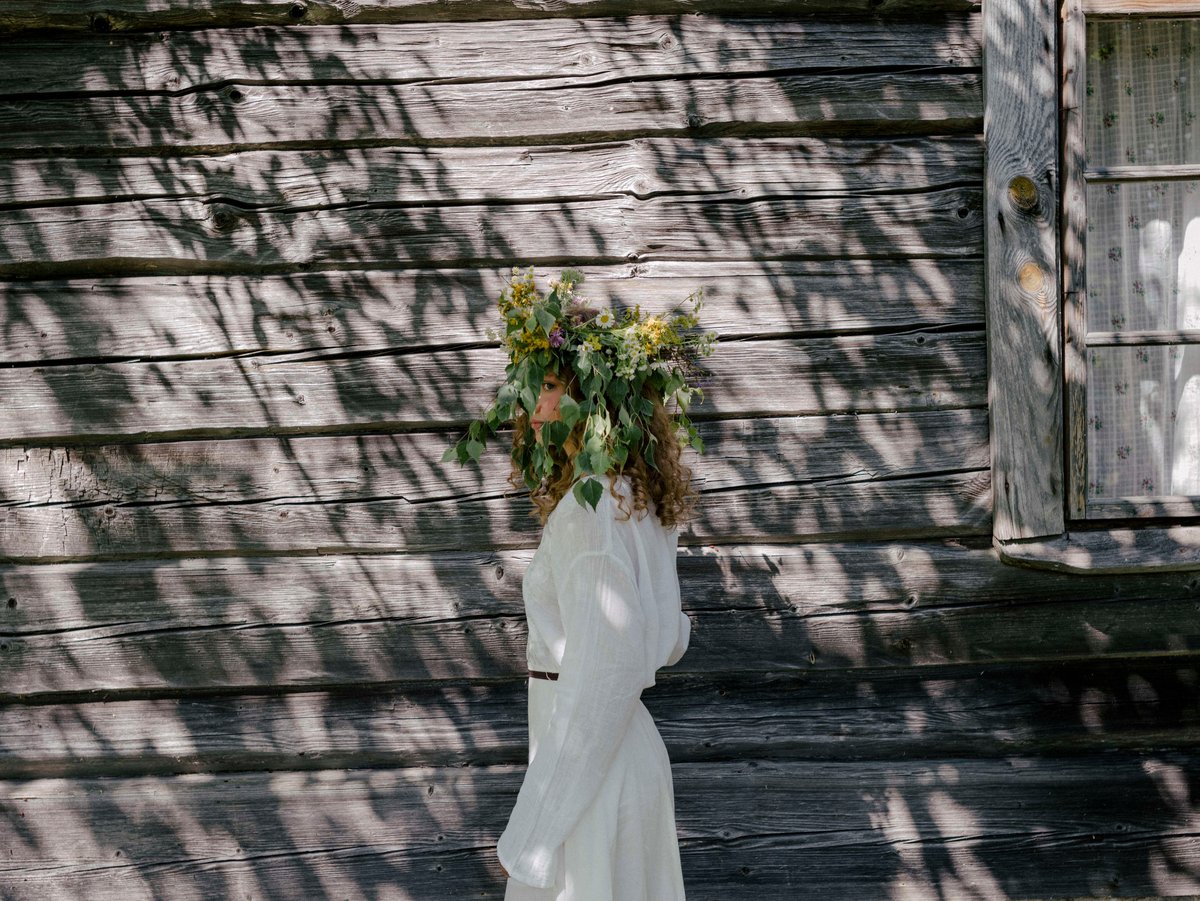
Nanna Heitmann (b. 1994) is a documentary photographer from Ulm, Germany. A regular contributor to The New York Times, she has spent the past three years documenting wartime Russia during its full-scale invasion of Ukraine, becoming one of the few Western photographers working in the country.
Her work also explores the effects of climate change, from catastrophic forest fires and melting permafrost in Siberia (As Frozen Lands Burn) to the peatlands of the Congo Basin, the world’s largest carbon reservoir (Beneath the Trees). Heitmann’s work has been published by National Geographic, Time, M Le Magazine du Monde, and The New Yorker, among others.
A Magnum nominee since 2019, she was elected a full member in 2023. Her photography, often centered on isolation and resilience, has received numerous awards, including a World Press Photo Award and the Olivier Rebbot Award. In 2024, she was a Pulitzer Prize finalist.
Sorry, this content is not yet available in english...
«Es war der Moment, bevor ich auf die Bühne trat, um meine schmale Arie zu singen, in den weniger als zwei Oktaven, und in dem ich mich doch fürchtete. Noch einmal Versagen, noch einmal keine Luft zu haben im siebzehnten Takt, noch einmal nicht zu strahlen, sondern zu quetschen, die Luft aus der falschen Region zu holen (aus der Kehle statt aus dem Zwerchfell, flach und gedrückt wie aus einem defekten Blasebalg, ohne Stütze) – noch einmal sowas, und wir konnten unsere ramponierten Taschen packen, Antonio und ich.»
Auszug aus dem Text von Elke Schmitter
Elke Schmitter liest ihren für Haydn2032 geschriebenen Text bei der Haydn-Lounge im Hans Huber-Saal, Stadtcasino Basel am 13. April 2026 um 18.15 Uhr.
Der Text «Im Brustton der Luigia» von Elke Schmitter wird in der Schallplatten-Edition Vol. 24 erscheinen.
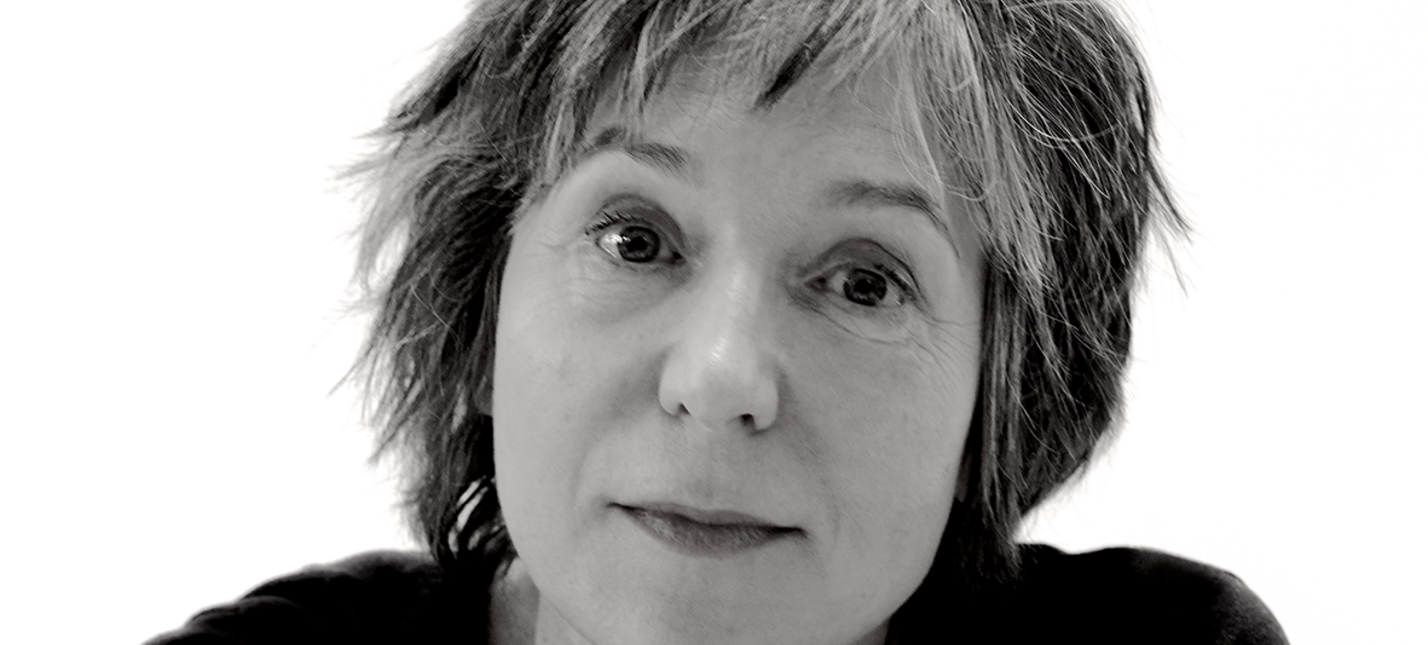
Writer
Elke Schmitter
Writer
Elke Schmitter, born in 1961 in Krefeld on the Lower Rhine, has lived in Berlin since autumn 1989. She writes novels, essays, and occasionally poetry; her most recent publication is Alles, was ich über Liebe weiss, steht in diesem Buch. EINBILDUNGSROMAN (C. H. Beck: 2024). When she composes, she prefers to do so in A flat major or E minor. When she works as a cultural journalist, it is chiefly for the Berlin newspaper taz (Die Tageszeitung), Deutschlandradio, Die Zeit(Hamburg) and the Zurich-based online magazine Republik. When she reflects on literature, she often focuses on female authors (100 Autoreninnen in Porträts, Piper: 2023). Schmitter studied philosophy and is a columnist for the online cultural magazine Der Perlentaucher, where she recounts her excursions into intellectual life under the title ein wort gibt das andere.